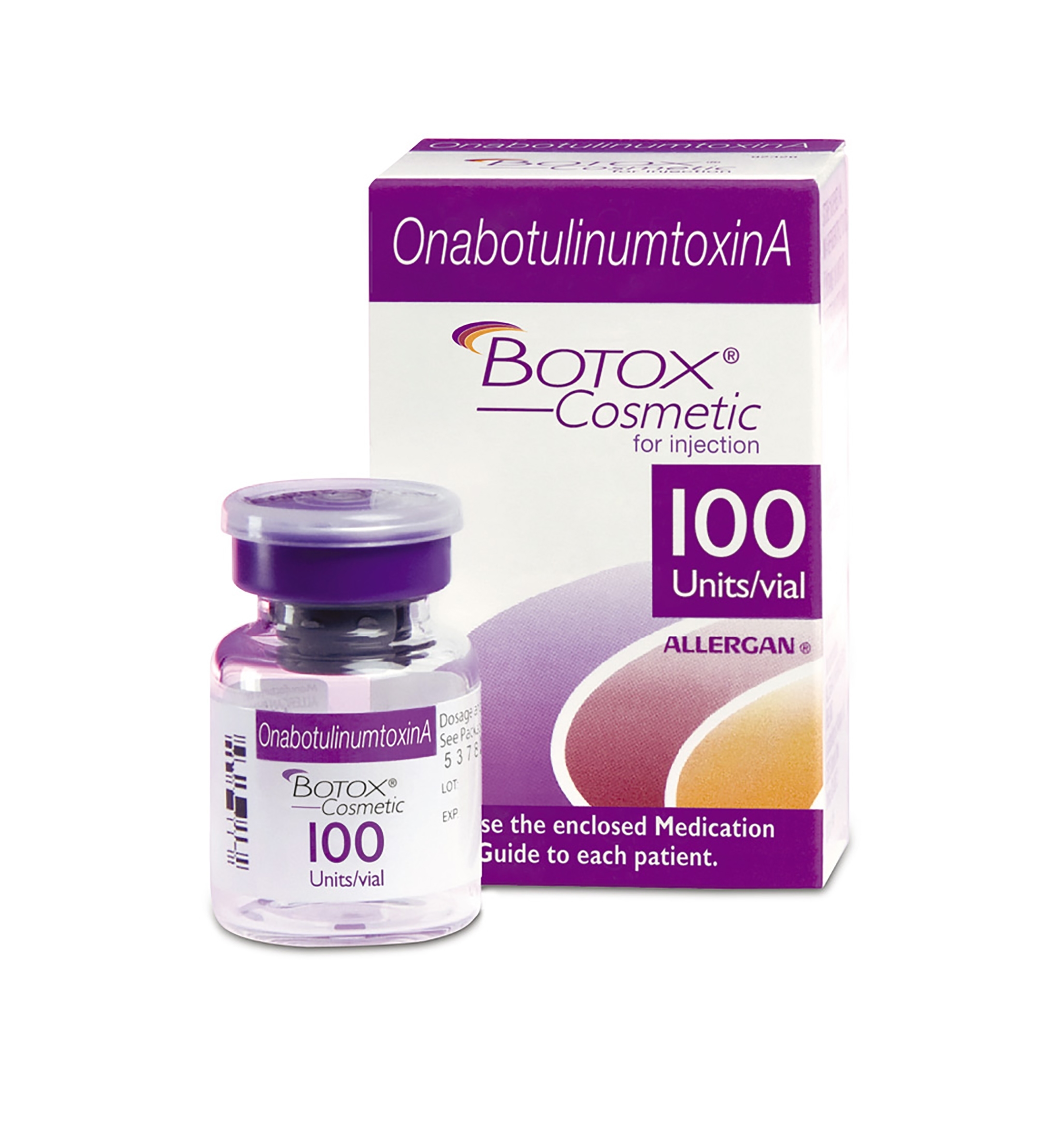
Soften selected movement without losing your expression
At Dr. Sedef Demirer’s dermatology clinic in Alsancak, botulinum toxin treatment begins with facial movement, anatomy, medical history and the result you want—not a standard injection map.
- Assessment and treatment planning by a dermatologist
- Individual injection points, product and dose decisions
- Conservative planning with realistic expectations
- Consultations available in English and German
What “Botox” means—and what the treatment can do
Botox is a brand name that is often used in everyday language for botulinum toxin injections. Botulinum toxin type A is a prescription medicine. When a small, planned amount is injected into a selected muscle, it temporarily reduces nerve-to-muscle signalling and therefore reduces that muscle’s activity.
In aesthetic dermatology, this can soften dynamic lines: lines that appear or deepen when you frown, raise your eyebrows, smile or squint. The treatment does not add volume like a dermal filler, remove excess skin, change bone structure or improve every type of wrinkle. Lines already visible at rest may soften to a variable degree, but they may also need time, skin-directed treatment or no additional procedure.
For selected medical or functional concerns, botulinum toxin may be considered to reduce excessive muscle or gland activity. The indication, product, dose pattern, expected timeline and follow-up can be very different from a cosmetic upper-face treatment.
A natural-looking result is an aim, not a promise. Response depends on anatomy, muscle strength, product, dose, injection pattern, previous treatment and individual biology. Treatment can be modified, staged, postponed or declined when the likely balance of benefit and risk is not appropriate.
Product note: different botulinum toxin medicines have product-specific formulations, potency units, approved indications, storage requirements and instructions. Their units should not be treated as directly interchangeable. “Botox” on this page is used as the familiar search term; the actual product and plan must be discussed during consultation.
Why the same injection map does not suit every face
Forehead height, eyebrow position, eyelid anatomy, muscle strength, baseline asymmetry and the relationship between muscles that lift and lower the brow all influence planning. A point or dose that works well for one person can create an unwanted balance in another.
Movement is assessed
The face is observed at rest and during frowning, eyebrow elevation, smiling or jaw contraction according to the concern.
Trade-offs are discussed
Greater movement reduction may also change expression, eyebrow position or functional strength. The desired degree of movement matters.
Limits are respected
Botulinum toxin cannot correct every crease, lift all tissue or create facial symmetry. Sometimes another option—or no procedure—is more appropriate.
Botox treatment areas assessed in Izmir
The cards below lead to area-specific information. They describe possible assessments, not automatic indications. Regulatory approval varies by medicine and country, and some uses may be outside a product’s licensed indication.
Forehead Botox
Horizontal lines, eyebrow position and the forehead’s lifting role are assessed together.
Upper faceGlabella Botox
For selected frown-line patterns between the eyebrows, with attention to brow balance.
Eye areaCrow’s feet Botox
Smile-related lines at the outer eyes are assessed alongside eyelid and cheek movement.
Lower faceMasseter Botox
Muscle bulk, clenching and jaw function require assessment; not every jaw concern is muscular.
Medical protocolMigraine Botox
Chronic migraine treatment follows a defined medical evaluation and differs from cosmetic Botox.
SweatingHyperhidrosis Botox
Excessive sweating, possible causes and the treatment area are reviewed before planning.
Lower faceGummy smile Botox
Upper-lip movement is only one possible contributor to gingival show and must be assessed.
Neck & jawlineNefertiti lift Botox
Selected platysma activity may be treated, but this does not replace surgical lifting.
Aesthetic and medical uses need different conversations
Aesthetic facial assessment
- Dynamic forehead, frown or crow’s-feet lines
- How much natural expression the patient wants to retain
- Baseline brow, eyelid and facial asymmetry
- Whether a static line or skin-quality concern needs a different approach
- Whether lower-face or neck treatment could affect smile, speech or swallowing-related muscles
Medical or functional assessment
- Chronic migraine requires appropriate diagnosis and a condition-specific protocol
- Hyperhidrosis may require evaluation for contributing medical causes
- Jaw clenching, pain or tooth wear can require dental or temporomandibular assessment
- Expected benefit, functional trade-offs and follow-up differ by indication
- Licensed and off-label uses vary by product and jurisdiction
A cosmetic forehead injection is not a substitute for chronic migraine treatment, and masseter treatment is not a diagnosis or cure for every form of jaw pain or teeth grinding. Referral or multidisciplinary assessment may be appropriate.
How Botox treatment is planned
The exact appointment varies by indication. The core sequence is a medical consultation, an individual plan, careful administration and clear follow-up instructions.
History and goals
Medical conditions, medicines, allergies, previous products and dates, adverse reactions and the desired change are reviewed.
Dynamic assessment
Relevant muscles are observed at rest and in movement. Baseline photographs may be taken with consent for clinical comparison.
Agreed treatment
The proposed areas, product, points, dose strategy, limits, alternatives and material risks are discussed before consent.
Aftercare and review
Written instructions, the expected timeline, warning signs and the appropriate review window are explained.
Consultation does not create an obligation to proceed. Treatment on the same day may be possible in selected cases, but it cannot be promised before the examination.
A conservative first plan creates useful information
For a first treatment, it is often helpful to define one or two priorities and discuss how much movement you want to preserve. A strong correction everywhere is not automatically a better result.
Natural asymmetry is common. Botulinum toxin may change the balance between muscles but cannot make both sides anatomically identical. A review, if indicated, should happen after enough time has passed to assess the developed effect—not the next morning.
Bring the exact name and date of any previous botulinum toxin product if known. This helps the physician consider treatment interval, response and product-specific planning.
Tell the physician about:
- All prescription and non-prescription medicines
- Vitamins, herbs and supplements
- Previous toxin, filler, surgery or facial procedures
- Neuromuscular, swallowing or breathing problems
- Pregnancy, breastfeeding or plans for pregnancy
- Any previous unusual or significant reaction
When does Botox work, and how long can it last?
Timing is not identical for every product, muscle or indication. For common aesthetic facial treatment, early change is often noticed within several days. Many patients assess balance more meaningfully at around two weeks, while contour changes after masseter treatment may take longer.
The effect begins to develop gradually. Lack of visible change on day one does not mean treatment has failed.
For many facial areas, this is a more useful time to judge movement and balance if a review has been advised.
Aesthetic effects commonly last around three to four months, sometimes longer or shorter, and then gradually diminish.
Duration may be influenced by the treated muscle, dose strategy, product, individual response, muscle strength and previous treatment history. A longer or shorter effect is not, by itself, proof of treatment quality. Medical indications can have different response measures and retreatment schedules.
Repeated treatment should not be scheduled from a generic calendar alone. The indication, current muscle activity, previous response, product instructions and minimum appropriate interval must be considered.
Who may—or may not—be suitable?
A suitable patient has a concern that matches the mechanism of botulinum toxin, understands that the result is temporary and variable, and can accept the possible trade-offs. Age or the number of visible lines alone does not determine suitability.
Assessment may support treatment when
- The concern is linked to a specific pattern of muscle or gland activity
- The expected change is realistic and the temporary nature is understood
- Medical history and current medicines do not create an unacceptable risk
- The patient understands alternatives, limitations and follow-up
- There is no pressure to copy another person’s points, dose or appearance
Treatment may be unsuitable or postponed
- Known hypersensitivity to the proposed product or a formulation component
- Infection at a planned injection site
- Certain neuromuscular disorders or relevant swallowing/breathing problems
- Important medicine interactions, recent toxin treatment or unresolved prior reaction
- Pregnancy or breastfeeding when elective aesthetic treatment is being considered
- An objective that botulinum toxin cannot reasonably achieve
This list is not complete and does not replace consultation or the selected medicine’s current product information. Elective aesthetic treatment is generally postponed during pregnancy and breastfeeding because safety data are limited; individual medical circumstances require appropriate clinical advice.
Possible side effects and warning signs
No injection is risk-free. The type and likelihood of an unwanted effect depend on the product, indication, treatment area, dose, injection pattern, anatomy and individual health factors.
Local or more commonly discussed effects
Temporary injection-site discomfort, redness, swelling, tenderness or bruising may occur. Headache can occur. Depending on the area, temporary asymmetry, an unwanted change in eyebrow or eyelid position, dry-eye symptoms, altered smile or chewing fatigue may be possible.
Rare but serious effects
Product information includes warnings about toxin effects spreading beyond the injection area. Generalised weakness, double or blurred vision, difficulty speaking, swallowing or breathing, or loss of bladder control require urgent medical attention.
Seek urgent medical care if difficulty swallowing, speaking or breathing, marked generalised weakness or another severe unexpected symptom develops after treatment. The clinic’s WhatsApp line is not an emergency service; call 112 in Türkiye or attend the nearest emergency department.
Safe practice includes authentic and traceable prescription product, correct storage and preparation, appropriate patient selection, knowledge of functional anatomy, informed consent and a plan for complications. Do not buy botulinum toxin online, self-inject or have injections in a non-medical setting.
Patient information was cross-checked against the American Academy of Dermatology’s botulinum toxin overview, patient FAQs and preparation guidance. These resources do not replace the selected product’s current information, the consent process or medical advice applicable in Türkiye.
Aftercare, daily activity and review
Small injection marks, short-lived redness, tenderness, swelling or bruising may be visible. Many patients return to routine activities soon afterwards, but recommendations can differ by treatment area, medical indication and individual circumstance.
Do not massage or apply unnecessary firm pressure to the treated sites unless specifically instructed. Follow the written advice from the physician who examined and treated you; generic online rules should not override individual instructions.
The effect develops gradually and both sides may not change at exactly the same speed. Do not judge the final balance on the day of injection. If a review is recommended, attend within the advised window rather than arranging an unplanned correction elsewhere.
- Keep and follow your individual written instructions.
- Avoid unnecessary rubbing or firm pressure on injection sites.
- Wait for the advised assessment period before judging the result.
- Contact the treating clinic about unexpected symptoms or significant concern.
- Seek urgent care for swallowing, speech or breathing difficulty.
Botox prices in Izmir
Price depends on what is being treated and why. A single aesthetic area, a combined upper-face plan, masseter treatment, hyperhidrosis and a chronic migraine protocol do not involve the same assessment, product amount, injection pattern or follow-up.
Muscle strength, anatomy, previous response, the selected medicine and the agreed scope can affect the plan. Because potency units are product-specific and not directly interchangeable, comparing clinics only by a quoted “unit number” may be misleading.
Photographs can sometimes help with appointment scheduling, but they cannot confirm suitability, product choice, exact dose or final price. A transparent quotation should follow an adequate understanding of the proposed treatment.
See which factors shape the treatment scope and why aesthetic and medical protocols should not be priced as if they were the same procedure.
Botox, dermal fillers or skin treatment?
These options do different jobs. The useful question is not which treatment is “best,” but which mechanism—if any—matches the concern.
Botulinum toxin
Temporarily reduces selected muscle or gland activity. It is mainly relevant to dynamic lines and defined medical or functional indications.
Dermal fillers
Add support or volume and may be considered for selected contour or volume concerns. Fillers do not relax facial muscles.
Skin rejuvenation
Skin-directed treatments may address texture, pigmentation, redness or collagen remodelling; they do not replace volume or muscle treatment.
Some people may benefit from a staged combination, while others need one treatment or no procedure. More treatment is not automatically a better plan.
Botox in Izmir for international patients
Dr. Sedef Demirer’s clinic is in Alsancak, Konak, a central district of Izmir. Routine consultation and treatment planning can be conducted in English, German or Turkish.
Before travelling, share your preferred dates, the area you would like assessed, relevant diagnoses and the exact date and product name of any previous botulinum toxin treatment if available. Messages and photographs may support scheduling but cannot establish medical eligibility or a final plan.
Consultation and treatment may sometimes be possible during one visit when appropriate, but this cannot be guaranteed. Because the effect develops after the appointment, discuss your travel schedule, review options and how to contact the clinic if a concern arises before booking a very short stay.
Share your date range, main concern and previous treatment details.
History, anatomy, movement, options and risks are discussed in person.
Follow the written advice and use the agreed route for non-emergency questions.
Frequently asked questions about Botox in Izmir
Is Botox the same as botulinum toxin?
Botox is a brand name commonly used as shorthand for botulinum toxin treatment. Several prescription botulinum toxin products exist, and their formulations, potency units, approved uses and instructions are product-specific and not directly interchangeable.
Will Botox make my face look frozen?
The aim can be to soften selected excessive movement while preserving expression, but response varies. Strong or poorly balanced muscle reduction can look unnatural, and no particular cosmetic result can be guaranteed.
How long does Botox take to work?
For common aesthetic facial treatment, early changes are often noticed within several days. Balance is frequently assessed more meaningfully at around two weeks, although timing varies by product, area, dose and individual response.
How long does Botox last?
Aesthetic facial effects commonly last around three to four months, sometimes longer or shorter. The treated muscle, product, dose strategy, muscle strength, individual biology and previous treatment can influence duration.
Which areas can be assessed for Botox?
Common assessments include forehead lines, glabellar frown lines and crow’s feet. Selected patients may also be evaluated for masseter activity, chronic migraine, hyperhidrosis, gummy smile or platysma-related neck concerns. Uses and approvals vary by product and country.
What should I expect at a first Botox appointment?
The appointment should include medical history, previous treatment details, an assessment at rest and in movement, and a discussion of goals, limits, alternatives and risks. Consultation does not oblige you to proceed.
Is Botox painful, and is there downtime?
Fine needles are used and discomfort is generally brief, but sensitivity differs. Small injection marks, redness, swelling, tenderness or bruising can occur. Many patients resume routine activities soon afterwards, subject to individual advice.
What should I avoid after Botox?
Follow the written instructions from the treating physician. Avoid unnecessary rubbing or firm pressure on the injection sites, do not judge the final effect on the first day and report unexpected symptoms or significant concerns.
Can Botox be performed during pregnancy or breastfeeding?
Safety data are limited. Elective aesthetic botulinum toxin treatment is generally postponed during pregnancy and breastfeeding. Individual medical circumstances should be discussed with the appropriate physician.
Can masseter Botox slim every wide jaw?
No. It may gradually change contour when prominent masseter muscle bulk is an important contributor. Bone structure, fat distribution, salivary glands and other anatomy can also shape the lower face and will not be changed by relaxing the masseter.
Can Botox treat teeth grinding or jaw pain?
Masseter treatment may be considered for selected patients, but teeth grinding and jaw pain have different possible causes. Dental, temporomandibular or other medical assessment may be needed, and symptom relief cannot be guaranteed.
Is cosmetic Botox the same as migraine Botox?
No. Botulinum toxin treatment for chronic migraine follows a condition-specific medical assessment, injection protocol and follow-up. A cosmetic forehead treatment is not a substitute for migraine diagnosis or treatment.
What is the difference between Botox and dermal fillers?
Botulinum toxin temporarily reduces selected muscle activity. Dermal fillers add support or volume for certain contour or volume concerns. Some patients may need one, a staged combination or neither.
How much does Botox cost in Izmir?
The fee depends on the indication, treatment area, muscle activity, selected product and total scope. Upper-face treatment, masseter, sweating and migraine protocols should not be compared as if they were identical procedures.
Can international patients arrange a consultation in English or German?
Yes. Routine consultations are available in English and German. Share your preferred dates and previous botulinum toxin product and date if known; final suitability and planning require an in-person assessment.
Request an individual Botox assessment in Izmir
The first step is identifying which muscle or gland activity is creating the concern—and whether botulinum toxin is the appropriate option.