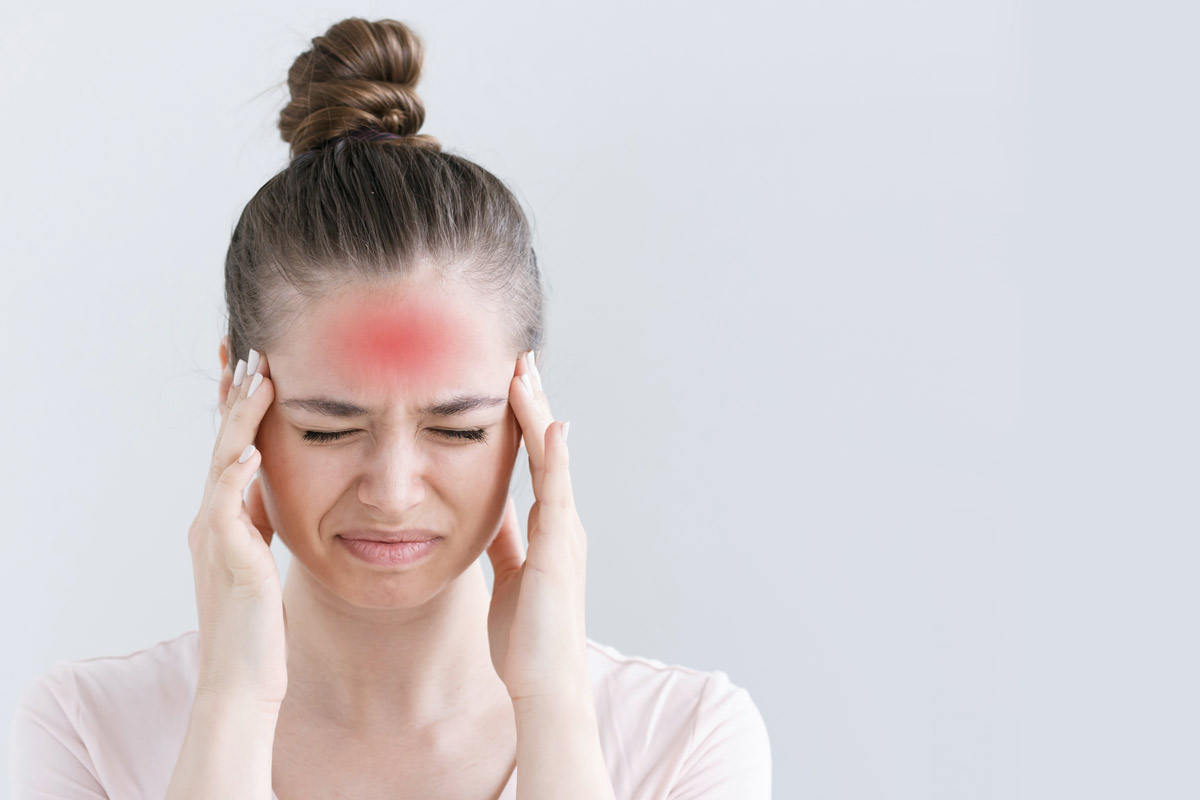
Chronic migraine prevention begins with the correct diagnosis
Botulinum toxin is a preventive treatment for selected adults with chronic migraine—not an injection that stops an attack already in progress. Headache frequency, migraine features, acute medicine use, previous preventive treatments and neurological warning signs must be reviewed before treatment is considered.
What is migraine Botox?
“Migraine Botox” is the familiar name for a structured botulinum toxin treatment used to prevent headaches in appropriately selected adults with chronic migraine. The medicine is administered across defined head and neck muscle areas according to a therapeutic plan. This is different in purpose, assessment, distribution and follow-up from injections used to soften cosmetic expression lines.
The objective is to reduce the burden of future headaches. Depending on the individual response, this may mean fewer headache or migraine days, less severe episodes, fewer hours spent with pain, reduced need for acute medicine or improved ability to work and function. Treatment cannot promise complete freedom from migraine and does not cure the underlying neurological tendency.
It is also not a rescue treatment for a migraine that has already started. A separate, clinician-guided acute treatment plan may still be needed for breakthrough attacks.
Preventive
The effect is assessed over weeks and treatment cycles. It should not be marketed as an instant pain-stopping injection.
Diagnosis-dependent
Fifteen headache days alone do not establish suitability. At least eight monthly days must have migraine features, and the pattern must persist.
Part of a wider plan
Sleep, triggers, acute medicines, medication overuse, other preventives and relevant neurological care remain important.
How is chronic migraine identified?
Under the International Classification of Headache Disorders, chronic migraine involves headache on at least 15 days each month for more than three months. On at least eight days per month, the headache has migraine features or responds as a migraine to a migraine-specific acute medicine. The patient must also have an appropriate previous history of migraine.
Information that supports diagnostic assessment
- Number of headache days—not only the number of separate “attacks”
- Number of days with migraine features such as pulsating pain, activity aggravation, nausea, light or sound sensitivity
- Presence and pattern of aura, when relevant
- How long the high-frequency pattern has continued
- Functional impact on work, sleep, family life and routine activity
- Previous episodic migraine history and any recent change
Factors that may change the diagnosis or plan
- Frequent use of painkillers, triptans or combination acute medicines
- A new type of headache or a clear change from the usual pattern
- Another primary headache disorder, facial pain or neck disorder
- Neurological symptoms not typical for the patient’s established aura
- Sleep apnoea, major sleep disruption or relevant systemic disease
- Pregnancy, postpartum status, recent trauma or a new medicine
A headache diary is more reliable than memory alone
A diary kept for at least four weeks can record every headache day, migraine symptoms, severity, duration, menstrual relationship when relevant, possible triggers, acute medicines and functional impact. The aim is not to create perfect paperwork. It is to distinguish chronic migraine from a short-lived cluster of attacks, episodic migraine or a pattern shaped by frequent acute medicine use.
Medication-overuse headache must be addressed
Frequent use of acute headache medicines can maintain or worsen a high-frequency headache pattern. The relevant threshold depends on the medicine and combination used. Do not abruptly stop a prescribed medicine based on internet advice; the withdrawal and replacement plan should be made with the clinician responsible for migraine care. Botulinum toxin does not remove the need to assess medication overuse.
When a headache should not wait for a Botox appointment
Most headaches are not caused by a dangerous condition, but certain patterns require prompt assessment for bleeding, stroke, infection, pressure-related disease or another secondary cause. An elective clinic appointment is not the right first step when warning signs are present.
Seek urgent or emergency evaluation for
- A sudden, extremely severe or “thunderclap” headache that reaches maximum intensity within minutes
- New weakness, numbness, facial drooping, speech difficulty, confusion, fainting or seizure
- New loss of vision, persistent double vision or a severe headache with significant visual change
- Fever with neck stiffness, rash, marked drowsiness or altered consciousness
- A severe or worsening headache after a significant head injury
- A new or unusually severe headache during pregnancy or the postpartum period
- A new headache with cancer, significant immune suppression or serious systemic illness
In Türkiye, call 112 or attend the nearest emergency department when symptoms are severe or sudden. Do not wait for a WhatsApp reply.
A new headache after age 50, a progressively changing pattern, headache brought on by coughing or exertion, positional headache, persistent vomiting, unexplained weight loss or an examination abnormality also merits medical review. The required urgency depends on the complete clinical picture.
Who may be suitable for migraine Botox?
Assessment may support treatment when
- The patient is an adult with an adequately established chronic migraine diagnosis
- Headaches occur on at least 15 days per month and at least eight days have migraine features
- The high-frequency pattern has persisted for more than three months
- Previous preventive treatments, tolerance and adherence have been reviewed
- Medication overuse has been assessed and is being appropriately managed
- The patient understands that benefit is preventive, temporary and not guaranteed
- There is a realistic plan to measure response over more than one cycle when appropriate
Treatment may be postponed or unsuitable
- The headache diagnosis is unclear or neurological warning signs require investigation
- The pattern is episodic migraine rather than chronic migraine
- There is infection or inflammation at intended injection sites
- There is known hypersensitivity to the selected product or a relevant unresolved prior reaction
- Certain neuromuscular disorders or important swallowing or breathing problems are present
- Medicine interactions or a recent botulinum toxin treatment have not been reviewed
- Pregnancy or breastfeeding is relevant to an elective treatment decision
Evidence and product licensing support preventive treatment for chronic migraine, not a blanket use for every person with episodic migraine. If headache days are below the chronic migraine threshold, other preventive strategies may be more appropriate. Local prescribing information in Türkiye and individual clinical judgement take precedence over a general web page.
Tell the physician about all medicines and supplements, especially acute headache medicines, other migraine preventives, antibiotics that may affect neuromuscular transmission, muscle relaxants, blood-thinning medicines and any botulinum toxin product received in recent months. Do not stop prescribed treatment without medical advice.
How can botulinum toxin help chronic migraine?
Botulinum toxin blocks acetylcholine release at neuromuscular junctions, but its chronic migraine effect is not explained only by relaxing muscles. Evidence supports an effect on peripheral sensory nerve endings and the release of pain-related signalling molecules. Reducing peripheral activation may decrease input into migraine pain pathways over time.
The treatment does not “paralyse the brain,” remove migraine triggers or erase the neurological predisposition. It is delivered into selected head and neck muscles and works locally before wider pain-processing changes are reflected in the patient’s headache pattern.
Not instant
Some patients notice change within the first few weeks, but the response should be judged with diary data across a defined treatment cycle.
Not identical for everyone
The number of improved days, degree of pain relief and duration vary. Some people do not achieve a clinically useful response.
Not a cure
Benefit usually fades as nerve signalling recovers. Ongoing migraine care and an acute treatment plan may still be necessary.
How migraine Botox is planned at the clinic
At Dr. Sedef Demirer’s clinic in Alsancak, the process begins with diagnosis and medical suitability. When the headache history is incomplete, has warning features or needs specialist management, neurological assessment or coordination may be recommended before injection.
Headache pattern and diary review
Monthly headache days, migraine-feature days, duration, aura, triggers, disability and acute medicine days are recorded. A four-week diary is particularly useful when frequency is uncertain.
Medical and neurological context
Previous diagnoses, examination findings, imaging when already available, family history, relevant diseases, pregnancy status and any change from the usual headache pattern are reviewed. Imaging is not automatically required for every established migraine, but warning signs must not be ignored.
Previous and current treatment
Acute medicines, preventive medicines, effectiveness, side effects, adherence and possible medication overuse are discussed. Botulinum toxin should fit within a coherent migraine plan.
Suitability, consent and baseline goals
Expected benefit, uncertainty, common adverse effects, rare warning signs and alternatives are explained. Baseline goals may include fewer headache days, less disability or reduced acute medicine use—not an unrealistic promise of zero attacks.
Structured head and neck treatment
The prescription medicine is administered through multiple small intramuscular injections across defined head and neck regions. Exact product, quantity and any clinically justified adaptation are determined and documented by the treating physician.
Written aftercare and diary-based review
Early local effects, warning signs and the review interval are explained. The next decision is based on headache data, tolerability and current product instructions—not a cosmetic top-up calendar.
The injection portion is usually brief, but the complete visit takes longer because assessment and documentation matter. The injections can feel like short pinpricks. Temporary tenderness or small raised marks may occur. Consultation and treatment may sometimes be possible on the same day, but cannot be guaranteed before diagnostic review.
When can migraine Botox work, and how long can benefit last?
Improvement may begin within the first one to three weeks, but early changes do not show the full response. Some patients benefit during the first cycle; others show clearer improvement after a second or later cycle. If the diagnosis and treatment plan remain appropriate, guidelines commonly assess response after two treatment cycles rather than declaring failure after a few days.
Early weeks
Injection tenderness, neck tightness or a temporary headache can occur before preventive benefit is clear. Continue the diary rather than relying on a single good or bad day.
Developed response
Useful improvement may include fewer headache days, fewer migraine days, shorter or less disabling attacks and reduced need for acute medicine.
Following months
Evidence-based onabotulinumtoxinA protocols use 12-week treatment cycles. In practice, some patients describe benefit extending toward about four months, while others notice wearing-off earlier or obtain little benefit.
| Measure | What to record | Why it matters |
|---|---|---|
| Headache days | Every calendar day with headache, even if mild or partly treated | Primary marker of chronic migraine frequency |
| Migraine-feature days | Days with migraine symptoms or migraine-specific acute treatment | Clarifies diagnosis and change in migraine burden |
| Acute medicine days | Days used, not only number of tablets | Helps assess medication overuse and treatment need |
| Disability | Missed work, reduced activity, bed rest and disrupted plans | A modest frequency change may still be functionally important |
| Adverse effects | Neck symptoms, weakness, drooping or other new effects | Guides the safety of continuing or adapting treatment |
NICE defines an inadequate response as less than a 30% reduction in headache days after two treatment cycles in the population covered by its guidance. Individual treatment decisions also consider disability, severity, tolerability and local guidance. If headache frequency changes to an episodic pattern over time, the preventive strategy should be reassessed rather than continued automatically.
Side effects and warning signs
Most reported effects in chronic migraine trials were mild to moderate, but no injectable treatment is risk-free. Risk depends on the selected product, anatomy, injection distribution, medical history and previous response.
Local or more commonly discussed effects
- Injection pain, tenderness, redness, swelling or bruising
- Neck pain, stiffness, muscle ache or temporary headache
- Temporary weakness in nearby muscles
- Eyelid or eyebrow drooping and facial asymmetry
- A temporary worsening of migraine or flu-like symptoms
- Incomplete, uneven or absent preventive response
Important medical considerations
- Pre-existing neck weakness may increase functional discomfort
- Neuromuscular disorders can increase sensitivity to toxin effects
- Swallowing or breathing disorders require specific assessment
- Other botulinum toxin products and interacting medicines must be disclosed
- Blood-thinning treatment may increase bruising and must not be stopped without advice
- Allergic reaction and infection are uncommon but possible
Rare spread-of-toxin symptoms require urgent assessment
Botulinum toxin product information carries a warning that effects may spread beyond the injection area. New generalised weakness, double or blurred vision, marked eyelid drooping, difficulty speaking, swallowing or breathing, or loss of bladder control requires urgent medical evaluation.
Do not wait for a clinic message response if breathing, swallowing, speech or severe generalised symptoms develop. In Türkiye, call 112 or attend the nearest emergency department.
Authentic prescription medicine, correct transport and storage, traceability, product-specific dosing and anatomical knowledge are essential. Botulinum toxin potency units are not interchangeable between products. Do not buy toxin online, self-inject or receive treatment in a non-medical setting.
Aftercare following migraine Botox
Follow the written advice provided after your own examination and treatment. Generic online rules cannot account for the product, injection plan, medicines, health history or an unexpected reaction.
Routine early care
- Keep injection sites clean and avoid unnecessary rubbing or firm pressure.
- Ask before strenuous exercise, heat exposure, massage or another head and neck procedure.
- Continue the headache diary and prescribed migraine plan.
- Do not judge preventive success on the first day or first isolated attack.
- Do not add, stop or change migraine medicine without the responsible clinician.
Contact the clinic or seek care
- Pain, redness, warmth or swelling is increasing rather than settling.
- Neck weakness, eyelid drooping or asymmetry is marked or functionally important.
- The headache pattern changes substantially from the patient’s usual migraine.
- An unexpected symptom develops or there is concern about a medicine reaction.
- Emergency warning signs occur—use emergency services rather than routine messaging.
Alternatives and complementary chronic migraine care
The best preventive plan depends on attack frequency, previous treatment, associated conditions, pregnancy plans, medication overuse, access and patient preference. These options require diagnosis and product-specific medical advice; they are not a self-treatment list.
Oral preventive medicines
Several medicine classes can be used for migraine prevention. Choice is influenced by blood pressure, mood, sleep, weight, pregnancy potential, other diseases, side effects and previous response.
CGRP-targeting treatment
Monoclonal antibodies and certain oral medicines target the calcitonin gene-related peptide pathway. Availability, indication, contraindications, cost and monitoring differ by product and country.
Acute attack plan
Appropriate acute medicines may still be needed even when prevention works. Timing, contraindications and maximum use days should be defined to reduce the risk of medication overuse.
Trigger and routine management
Regular sleep and meals, adequate hydration, graded activity, caffeine consistency and identification of individual triggers can support—but do not replace—medical preventive care.
Comorbidity management
Sleep disorders, depression, anxiety, obesity, neck pain and other conditions may increase migraine burden. Treating them appropriately can improve the overall plan without implying that migraine is “just stress.”
Neurology coordination
Uncertain diagnosis, neurological symptoms, complex preventive failure or medication overuse may require a neurologist or headache specialist. Referral is part of safe care, not a treatment failure.
Migraine Botox assessment in Izmir for international patients
Dr. Sedef Demirer’s private dermatology clinic is in Alsancak, Konak, Izmir. Routine consultation and treatment communication can be conducted in English, German or Turkish.
Before travelling, send a concise summary of monthly headache days, monthly migraine-feature days, diagnosis, acute and preventive medicines, previous botulinum toxin treatment, significant medical conditions and travel dates. Bring prior neurology reports or imaging reports if relevant. Documents can support planning but do not replace current clinical assessment.
Do not arrange travel around an assumption that treatment is guaranteed on the first visit. A new headache pattern, unclear diagnosis, medication overuse, contraindication or need for neurological evaluation may make staged planning safer. Allow flexibility after treatment in case of temporary tenderness, headache or neck discomfort.
What affects migraine Botox prices in Izmir?
Cost depends on the prescription product, therapeutic protocol, clinically required quantity, consultation scope and follow-up plan. A chronic migraine protocol is not priced or planned like cosmetic treatment of one facial area.
Botulinum toxin products have different formulations and product-specific potency units. Units cannot be directly compared or converted between brands. Comparing providers only by an advertised unit number may hide differences in product, indication, traceability, storage and treatment scope.
Review Botox pricing factors on the main Botox page. Current information and the final treatment scope are provided after adequate assessment and in accordance with applicable rules in Türkiye.
Migraine Botox FAQ
Is migraine Botox used for every type of migraine?
No. The established therapeutic indication is prevention in appropriately selected adults with chronic migraine. Episodic migraine, other headache disorders and secondary headaches require different assessment and may need other treatments.
What counts as chronic migraine?
Chronic migraine involves headache on at least 15 days per month for more than three months, with migraine features on at least eight days per month, in a person with an appropriate previous migraine history. Diagnosis involves more than counting to 15.
Can Botox stop a migraine attack that has already started?
No. It is a preventive treatment evaluated over future weeks and months. Breakthrough attacks may still require a separate clinician-guided acute treatment plan.
Do I need a headache diary?
A diary is strongly useful because it records headache days, migraine features, acute medicine days and disability more reliably than memory alone. It also provides a baseline for judging treatment response.
What is medication-overuse headache?
Frequent use of acute headache medicines can maintain or worsen a high-frequency headache pattern. The threshold differs by medicine. Management should be planned medically; do not abruptly stop a prescribed medicine based on general web advice.
Where is migraine Botox injected?
A therapeutic protocol distributes multiple small intramuscular injections across defined head and neck regions. It is not limited to the place that hurts and is not the same plan as cosmetic forehead Botox.
When might I notice an improvement?
Some patients notice a change within one to three weeks, but the response should be assessed across a full treatment cycle using diary data. Some first respond more clearly after a second or later cycle.
How long does migraine Botox last?
Evidence-based onabotulinumtoxinA protocols use 12-week cycles. Some patients describe benefit extending toward about four months, while others experience earlier wearing-off or no clinically useful response. Re-treatment follows medical review and product instructions.
Will migraine Botox remove all headaches?
No guarantee can be made. A useful response may be fewer headache days, less severe or shorter attacks, reduced acute medicine use or improved function rather than complete elimination of headache.
What are the common side effects?
Injection pain or bruising, neck pain or stiffness, headache, temporary nearby muscle weakness, eyelid or eyebrow drooping and facial asymmetry can occur. A temporary migraine worsening is also possible.
Can I receive cosmetic Botox during migraine treatment?
Any cosmetic indication must be assessed separately. Total product exposure, timing, anatomy and the therapeutic injection map must be reviewed. Cosmetic treatment is not an add-on that improves migraine control.
Can consultation and treatment occur on the same day?
They may be possible in selected, well-documented cases but cannot be promised. An unclear diagnosis, warning signs, medication overuse, contraindication or need for neurological assessment may require staged care.
Are consultations available in English or German?
Yes. Routine consultation and planning at Dr. Sedef Demirer’s clinic in Alsancak can be conducted in English, German or Turkish.
When should a headache be treated as an emergency?
A sudden extremely severe headache, new weakness or speech difficulty, confusion, seizure, loss of consciousness, major visual loss, or headache with fever and neck stiffness requires urgent assessment. In Türkiye, call 112 for severe or sudden symptoms.
Sources and scope of this guide
This page provides general information and does not replace neurological diagnosis, examination, product-specific prescribing information, informed consent or emergency care. Medical content was cross-checked against:
- International Headache Society: ICHD-3 chronic migraine criteria
- Current US BOTOX prescribing information, chronic migraine protocol and boxed warning
- Pooled randomised PREEMPT chronic migraine trials
- Repeated treatment and 56-week PREEMPT analysis
- NICE guidance on botulinum toxin type A for chronic migraine prevention
- NICE guidance on thunderclap headache as a warning sign
Approved indications, products and protocols vary by medicine and country. Information from US or UK sources does not determine approval or reimbursement status in Türkiye; current local product information and individual medical judgement take precedence.
Explore the medical Botox information cluster
Botox in Izmir
Read the main guide to cosmetic and medical botulinum toxin assessment, product differences, safety and realistic results.
Hyperhidrosis Botox
Learn how excessive sweating of the underarms, palms and soles is diagnosed and why each area has a different risk profile.
Masseter Botox
Review assessment for masseter prominence, clenching-related symptoms, jaw slimming expectations and functional limitations.
For physician background and clinic approach, visit About Dr. Sedef Demirer.
Request a chronic migraine Botox assessment
At the clinic in Izmir, Dr. Sedef Demirer reviews headache frequency, migraine features, previous treatment, acute medicine use, safety factors and the need for neurological coordination before deciding whether therapeutic botulinum toxin is appropriate.